Safety Information

Electrical Safety: 
Your Guide to Staying Safe Around Power

Electricity is vital, but it demands respect. Whether you're working near power lines or using a backup generator, these guidelines are essential for protecting yourself, your family, and our community.

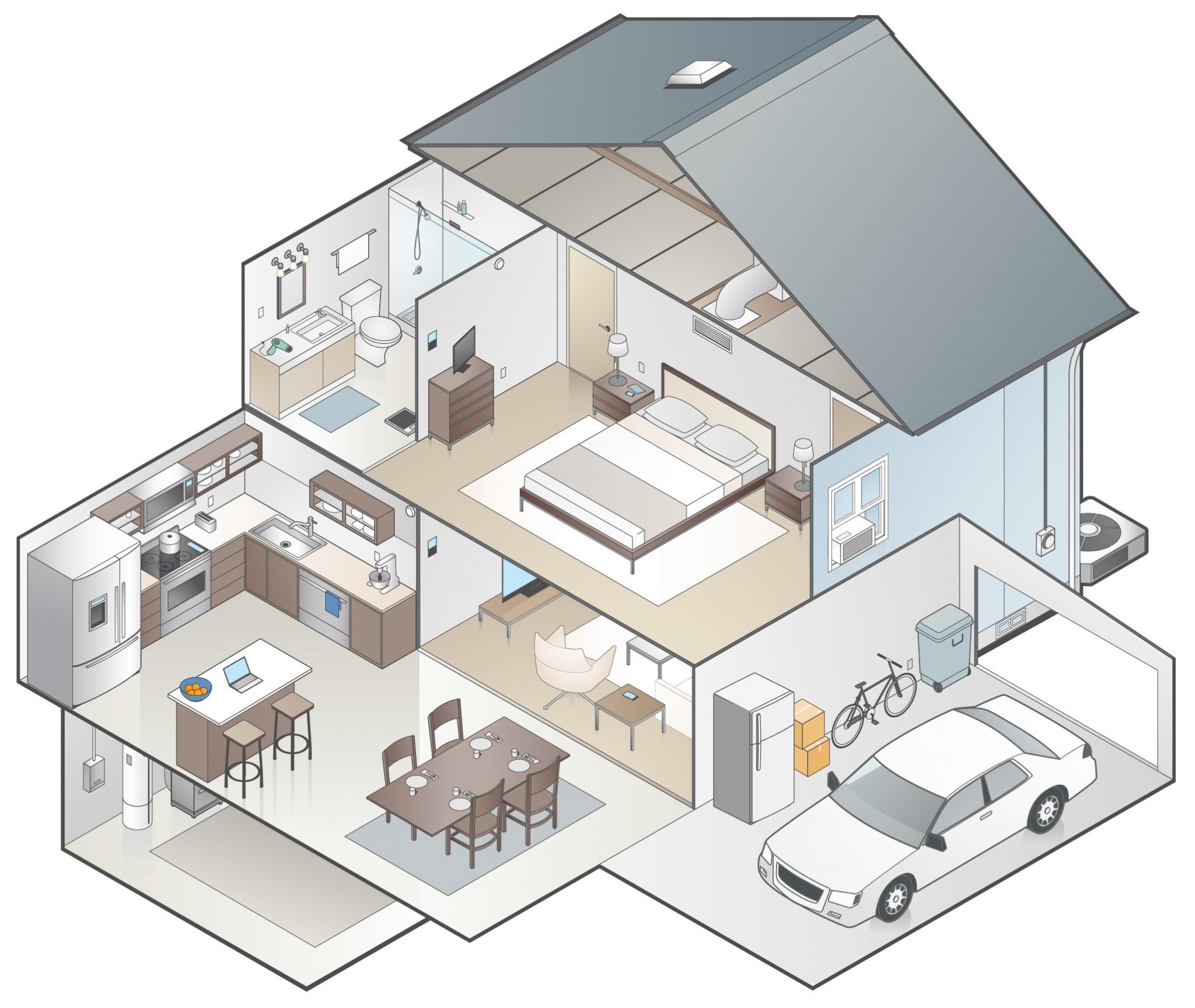
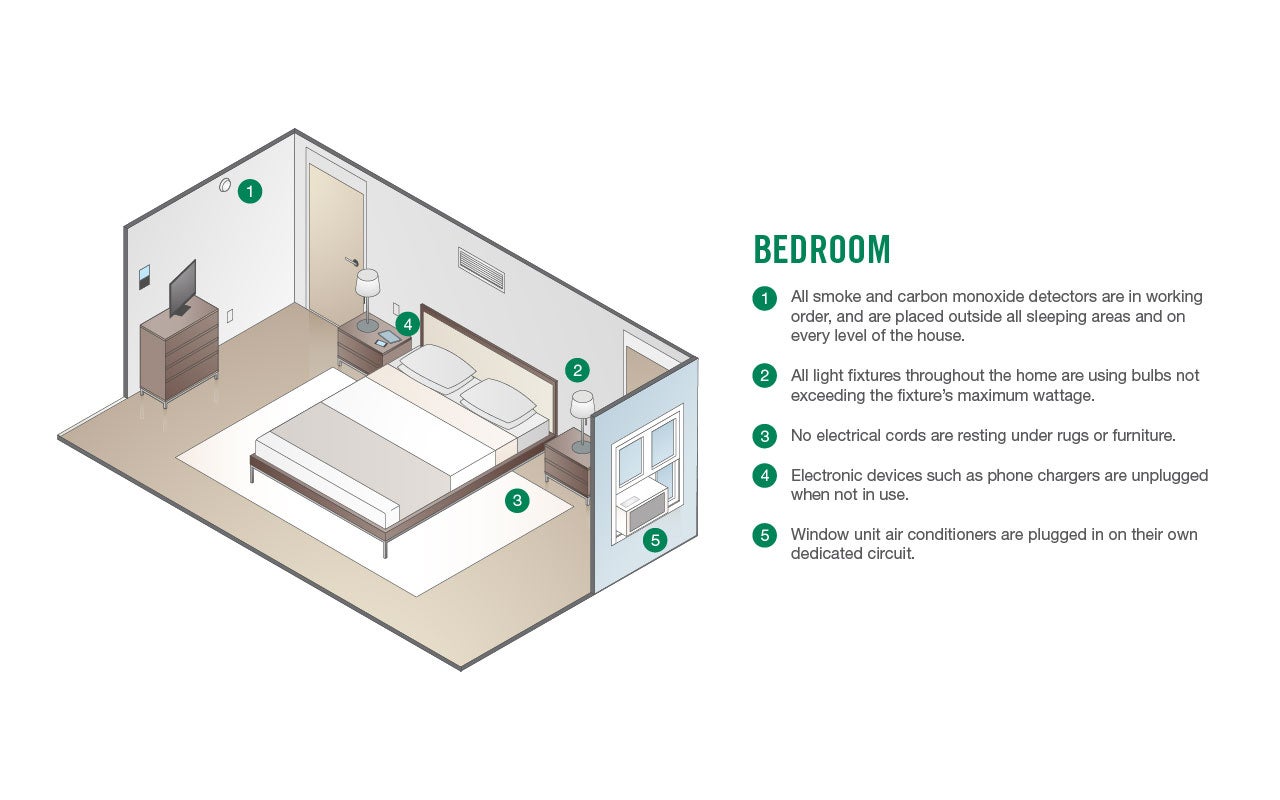
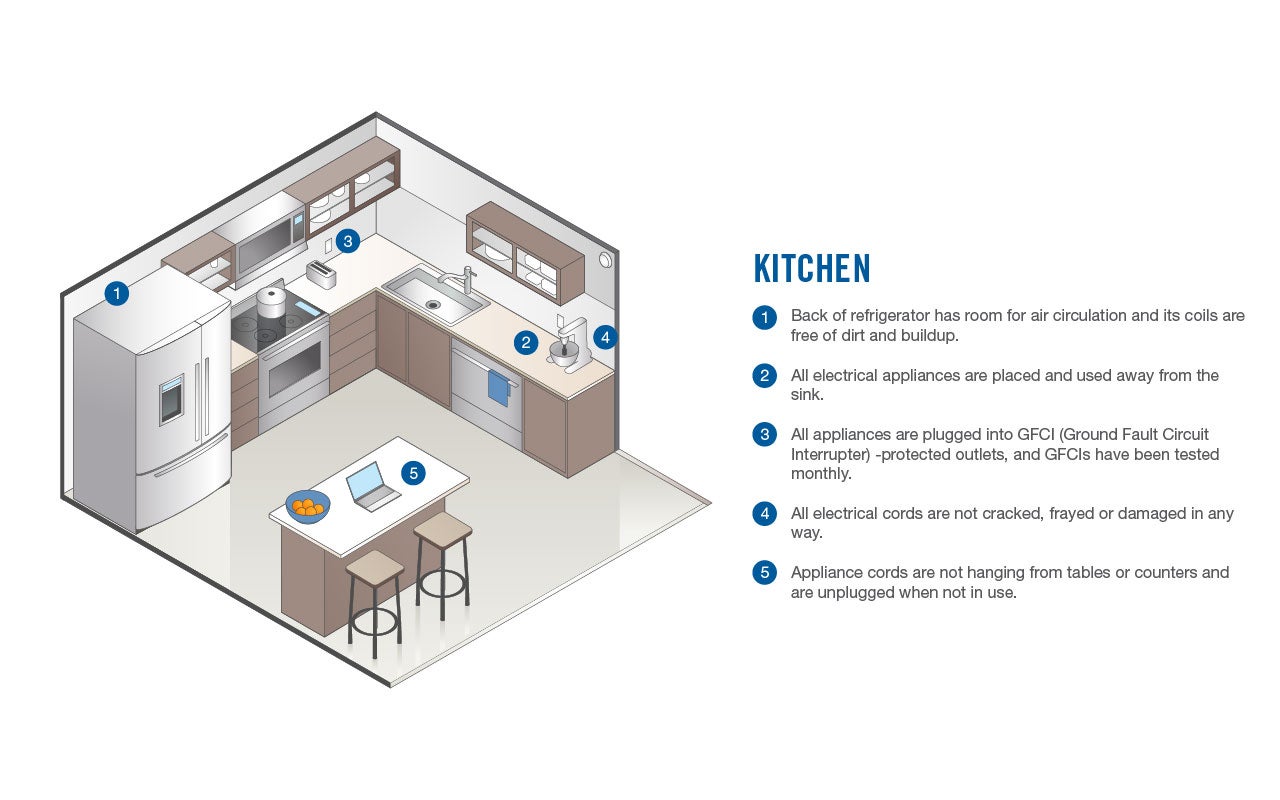
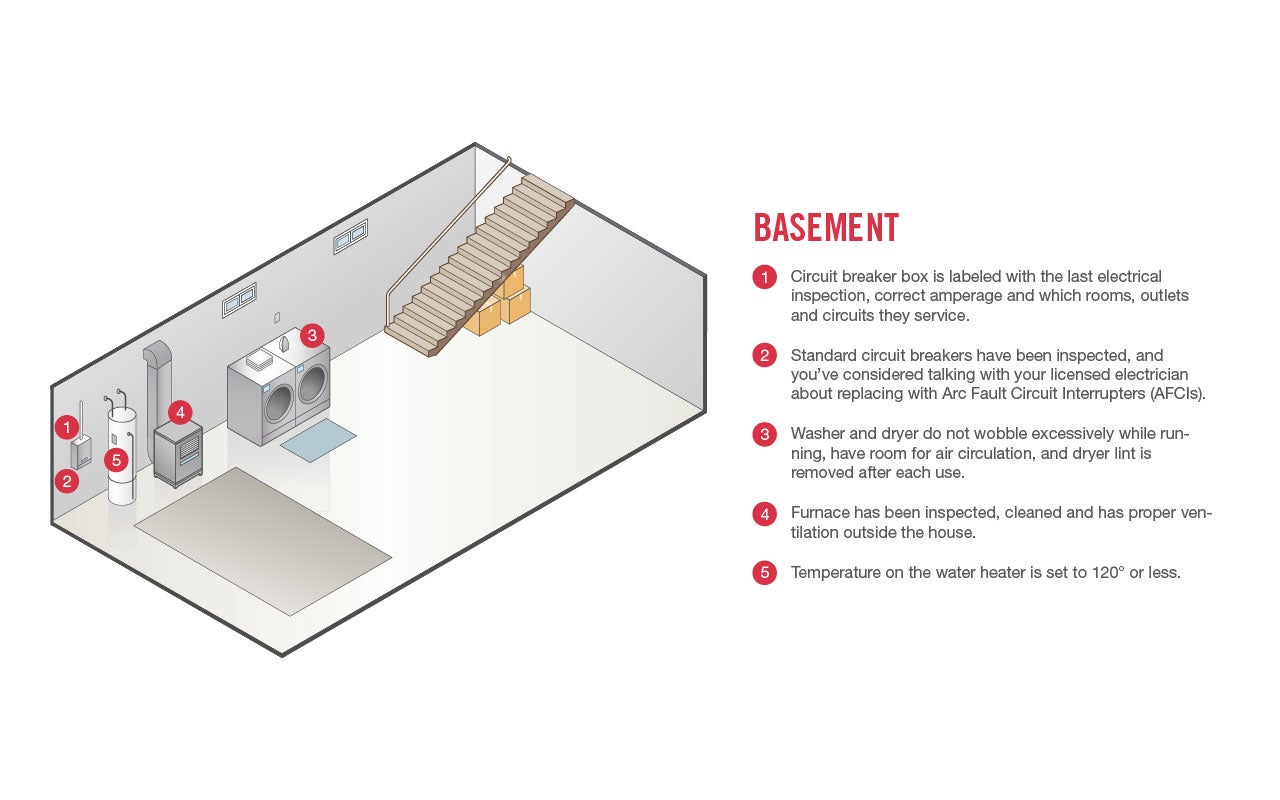
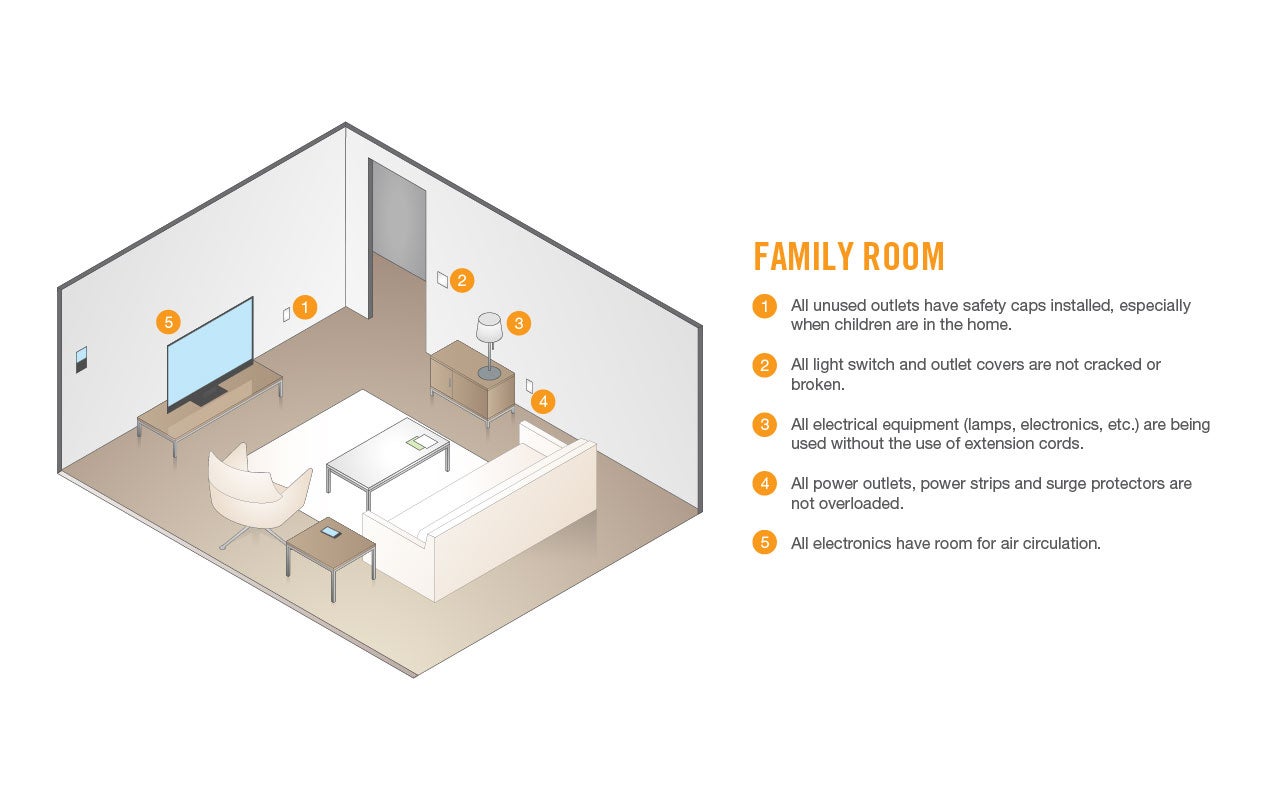
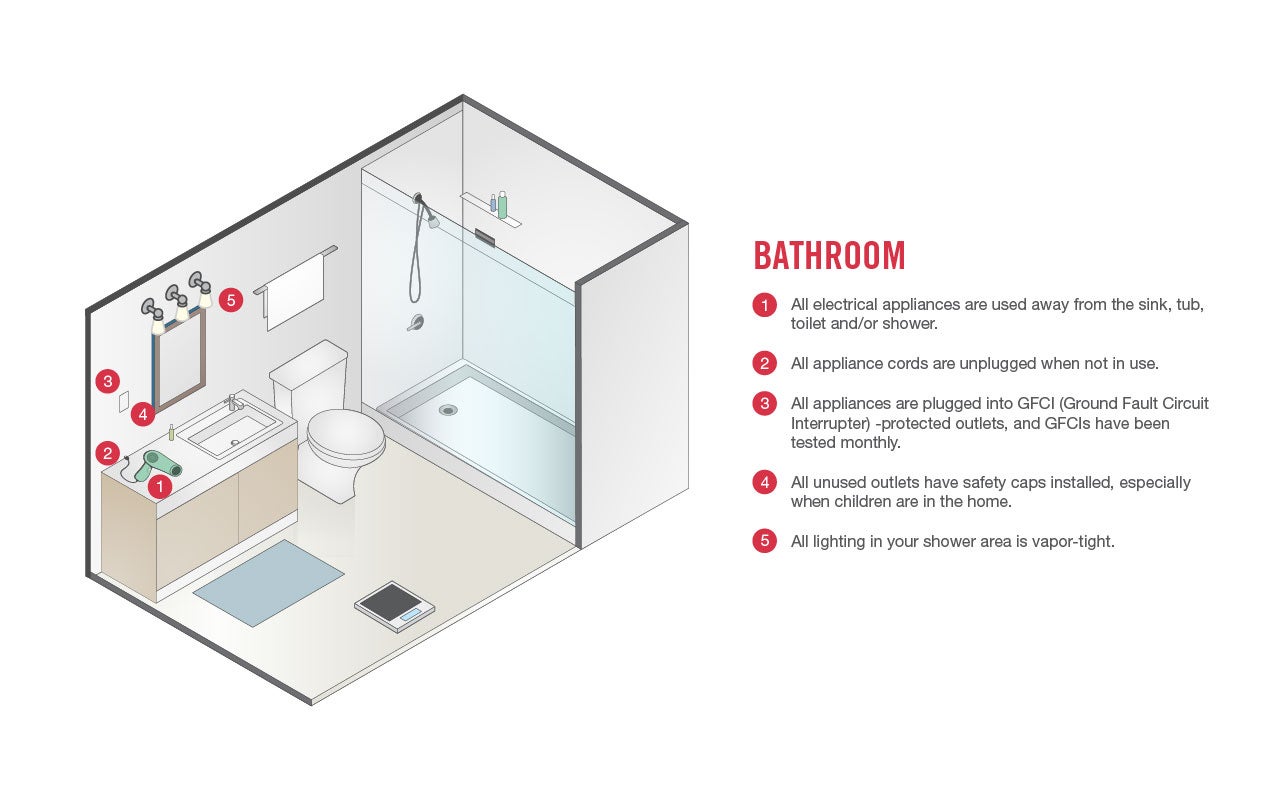
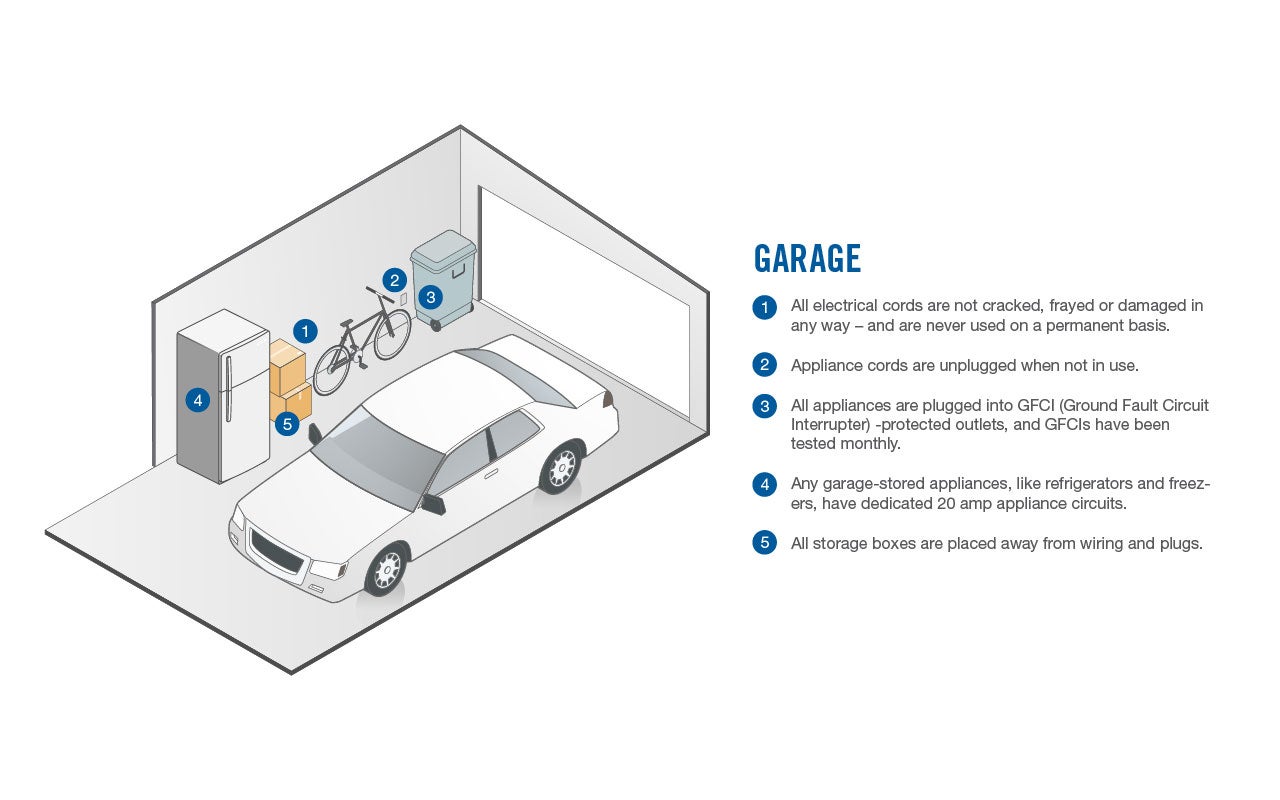
Home Electrical Safety Checklist

Use the interactive Electrical Safety Checklist to make sure your home is as safe as possible.

Click any room below to get started.

Tap the house to download a PDF of safety tips for your home.


Power Line Safety: 
Look Up and Keep Your Distance

Always assume a power line is energized and dangerous.

  • Maintain a 10-Foot Clearance: When operating tall equipment like cranes, ladders, scaffold poles, or any machinery, maintain a minimum distance of 10 feet from all overhead power lines. This is a requirement under the Georgia High Voltage Safety Act.
     
  • Keep Objects Away: Never allow anything you are holding—such as antennas, kites, balloons, fishing poles, or long metal irrigation pipes—to touch or come near a power line. These items can provide a direct path for electricity to reach the ground.
     
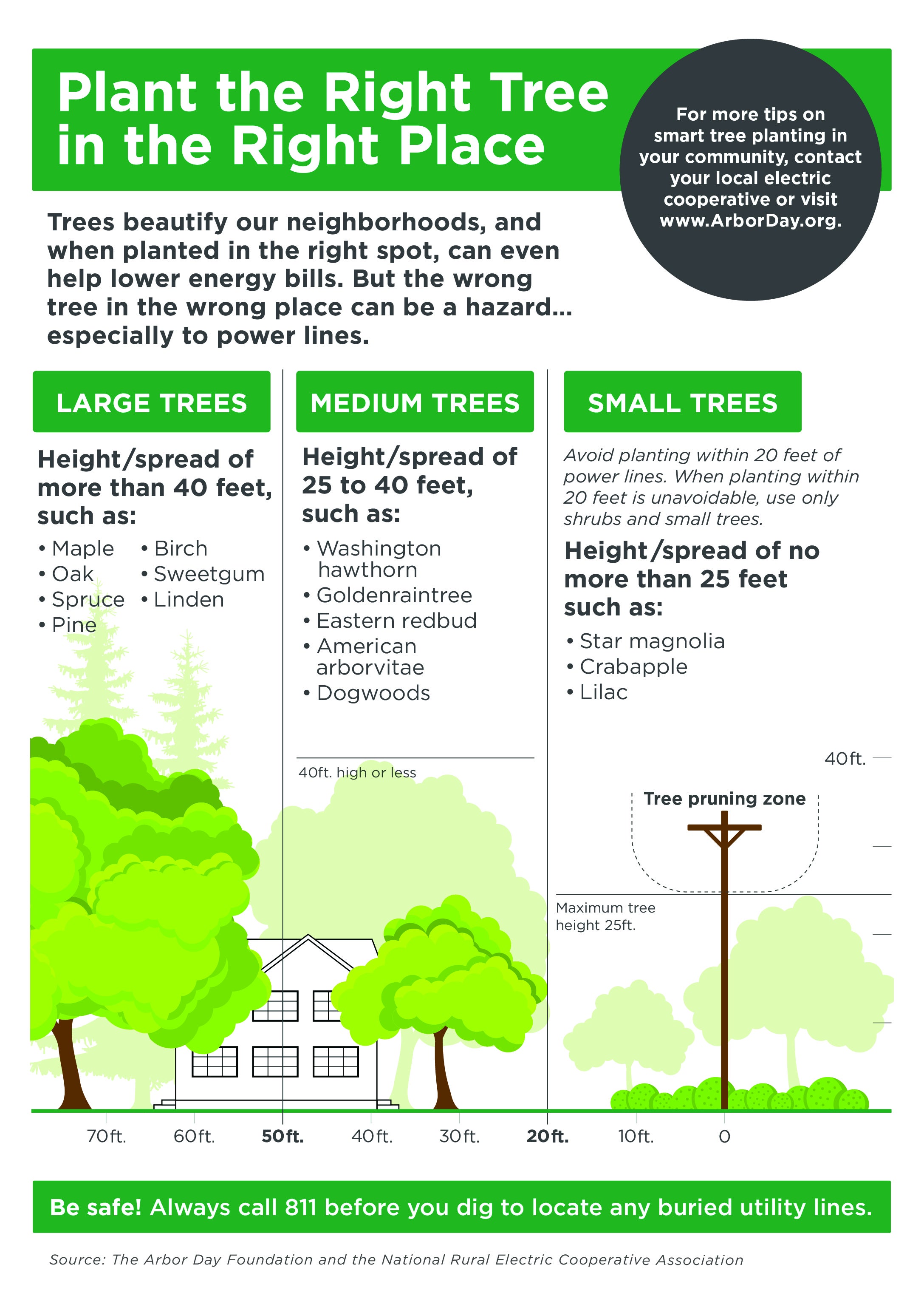
  • Tree Safety: Do not climb trees located near power lines. Tree limbs can be conductors, and climbing puts you at risk of fatal contact.
     
  • Be Careful on Roofs: Use extreme caution when working on a roof near the electrical service drop (the wire running from the pole to your house).
Image
tree safety

Downed Wire Emergency: 
What to Do

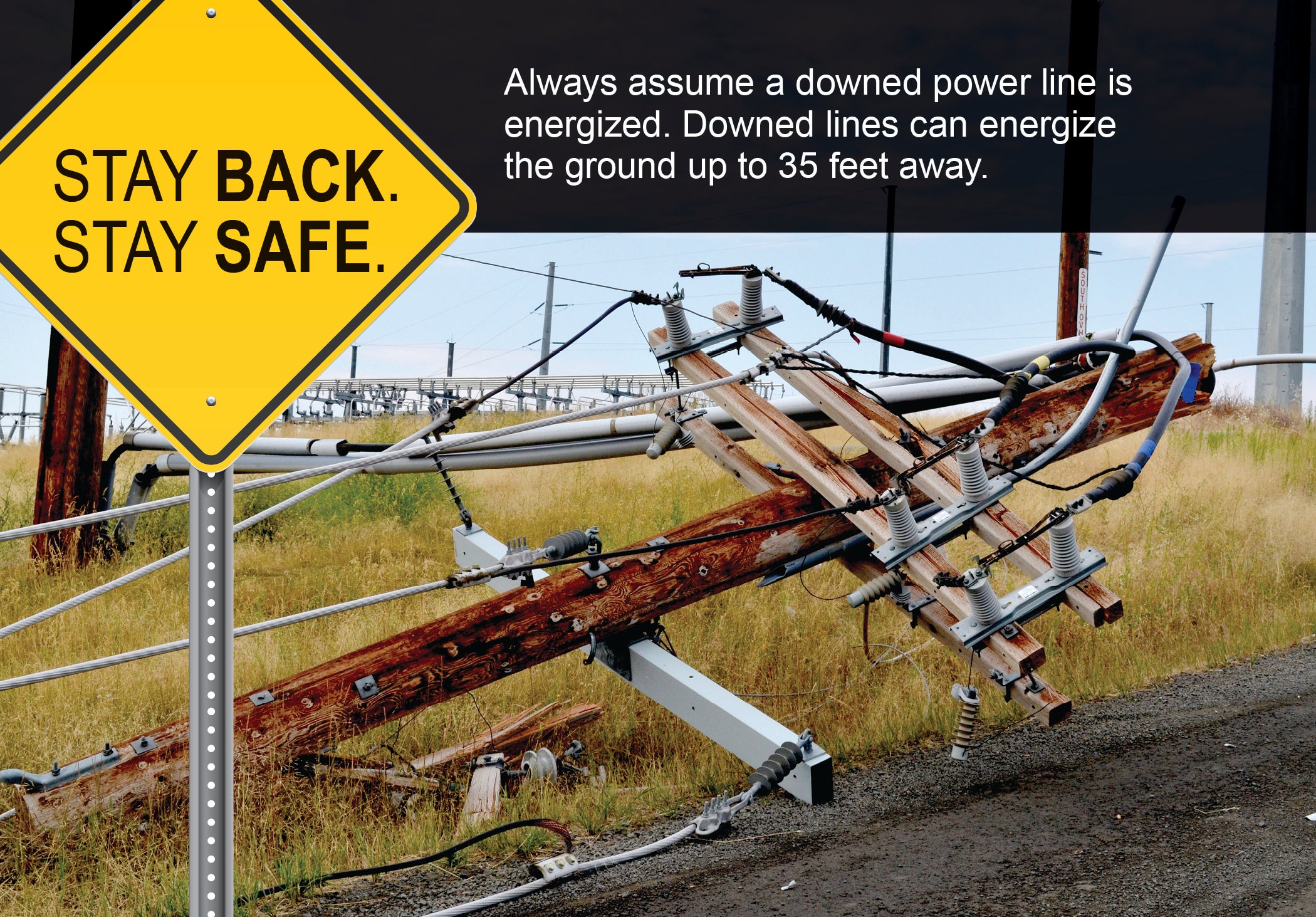
If you see a downed power line, assume it is energized and poses an immediate, deadly threat.

  1. Call Immediately: Call 911.
     
  2. Stay Clear: Keep yourself and others a minimum of 35 feet away from the line and anything it is touching (e.g., puddles, fences, vehicles).
     

If a Downed Line Falls on Your Vehicle:

  • STAY INSIDE: You are safest inside the vehicle. Wait for rescue personnel to arrive.
     
  • Drive Away: If the vehicle is operational, attempt to slowly drive out from under the line.
     
  • Exit as a Last Resort (e.g., Fire): If you must exit:
    • Jump Clear: Open the door, but do not touch the car and the ground at the same time. Jump completely clear, landing with both feet together.
       
    • Shuffle/Hop Away: Keep your feet together and shuffle or hop away from the car and the line. Never walk normally, as the difference in voltage between your steps (step potential) can be fatal.
Image
lines safety

Ground-Level Equipment Hazards


Substations

Substations contain extremely high-voltage equipment and are protected by fences and locks. Never attempt to enter or climb a substation fence. If an object like a pet or toy is inside, call us, and we will retrieve it safely.


Transformer Boxes

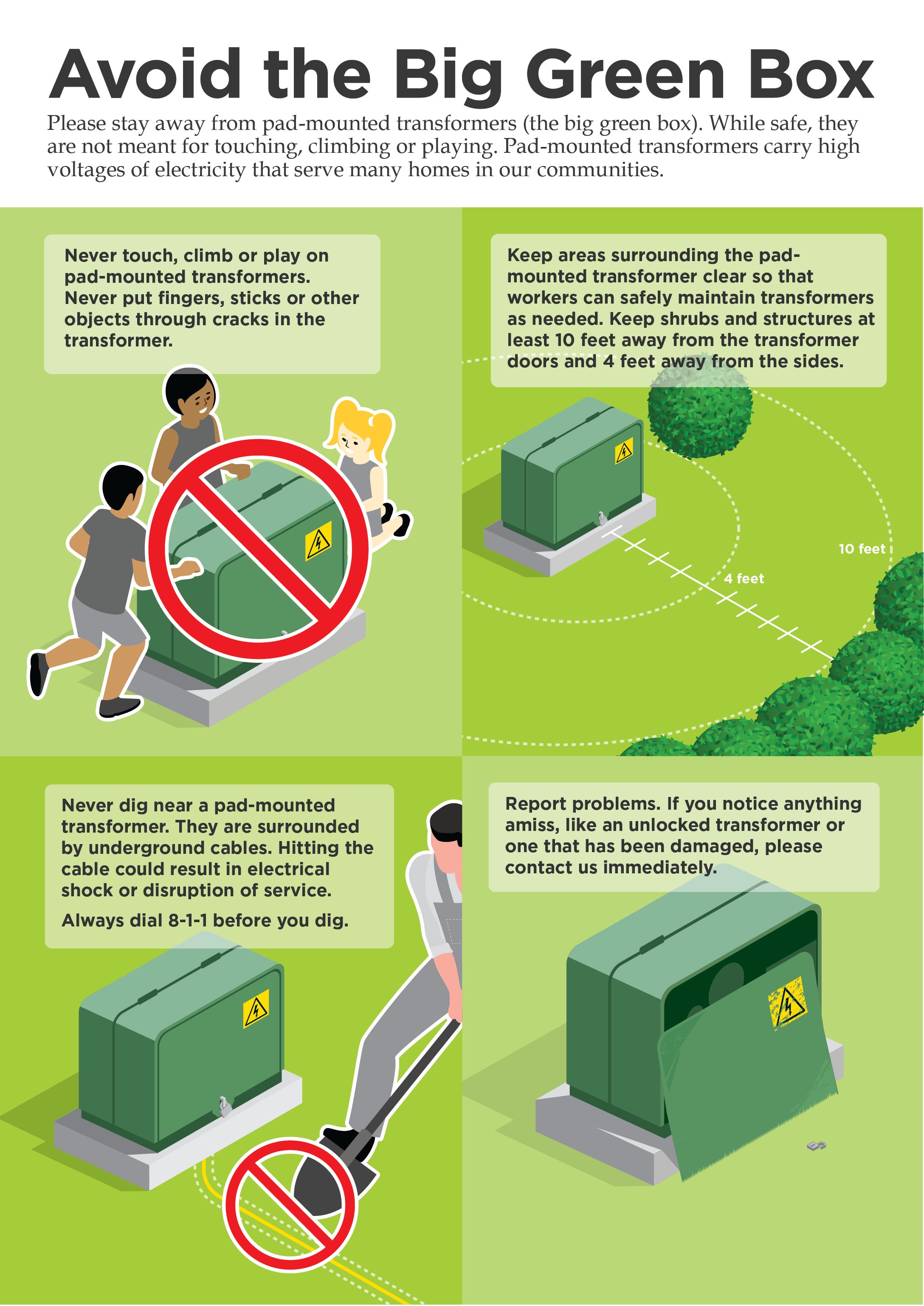
These are the green or gray metal boxes that house underground transformers.

  • They are securely locked for your safety. Do not attempt to open them. If a box is damaged, call us right away.
     
  • Do not dig or landscape around these boxes. Keep the area clear so our crews can access them quickly for maintenance or in an emergency.
Image
transformer safety

Important State Safety Laws

LawWhat It RequiresActionContact
Call Before You Dig (811)Locating and marking underground utilities before excavation.Call 72 hours before any digging project to prevent injury and service disruptions.Call 811 (or 1-800-282-7411)
High Voltage Safety ActEnsuring clearance around overhead power lines during construction/work.Call 72 hours before starting any work within 10 feet of an overhead power line.Contact the Utilities Protection Center.

Portable Electric Generator Safety

Portable generators are helpful during outages, but they can be deadly if used incorrectly. Follow these strict guidelines:
 

Non-Negotiable DON'Ts

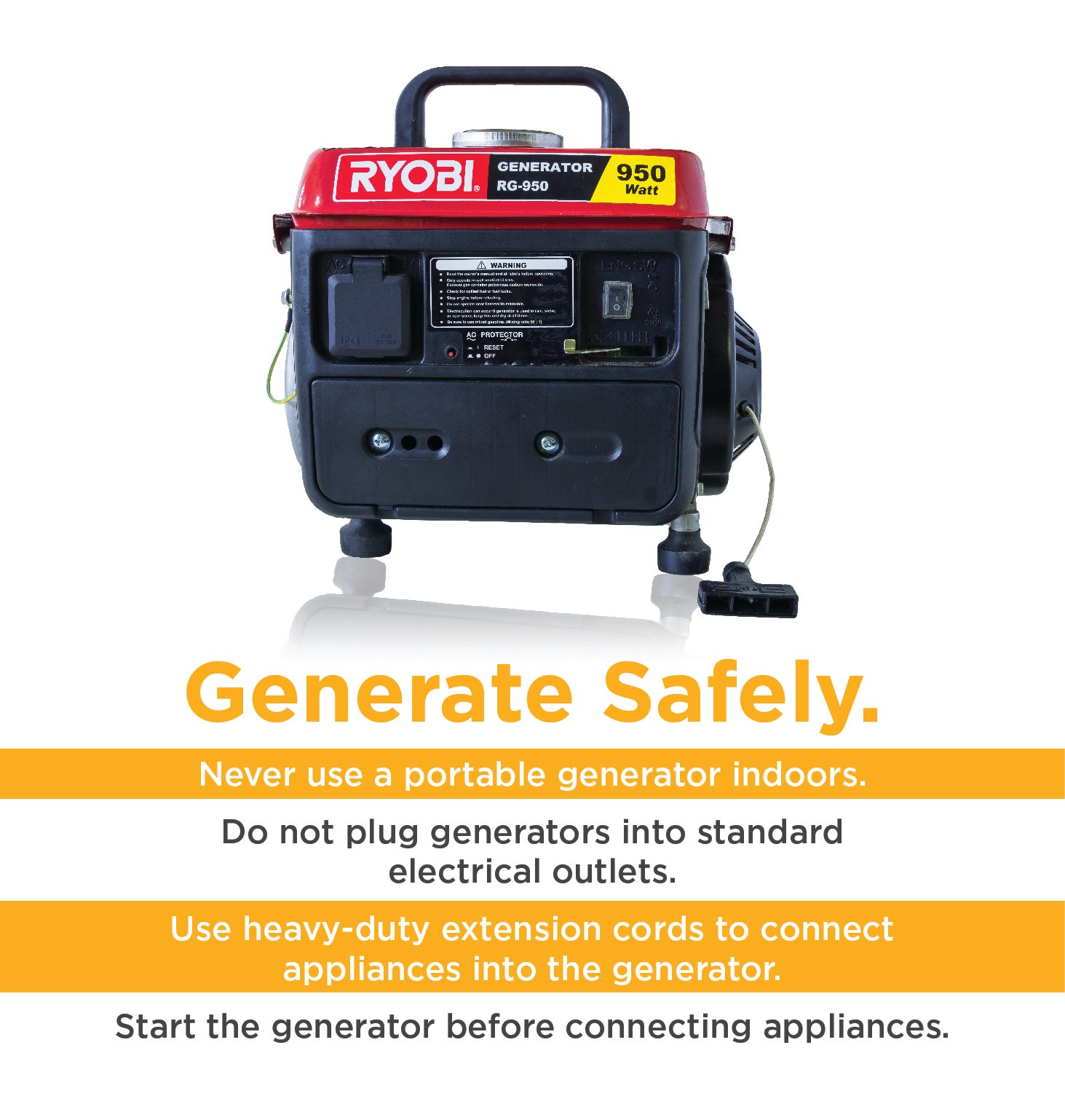
  • DO NOT plug a generator into a wall outlet or directly into your home's wiring. This causes back feed, which can send electricity onto our lines and fatally electrocute utility workers.
     
  • DO NOT run a generator indoors, in a garage, a basement, or under a carport. Generators emit deadly, odorless Carbon Monoxide fumes.
     
  • DO NOT overload your generator. Operating more appliances than its output rating can damage your generator and valuable electronics.


Essential DOs

  • Use a Transfer Switch: The only safe way to connect a generator to your home's electrical system is by having a licensed electrician install an approved manual transfer switch.
     
  • Use Outdoors Only: Place the generator outside in a well-ventilated, dry area, protected from rain or snow. Ensure exhaust is directed away from windows, doors, and air intakes.
     
  • Use Proper Cords: When connecting appliances, use heavy-duty, outdoor-rated extension cords (of the correct wire gauge) that are free of damage. Plug appliances directly into the generator outlets.
     
  • Fuel Safely: Turn the generator OFF and allow it to cool before refueling. Store fuel in properly labeled safety containers away from living spaces and other ignition sources.
     
  • Grounding: Consult your manufacturer's manual and ensure your generator is properly grounded to prevent electrical shock.
     
  • Turn Off Equipment First: Before shutting down the generator, turn off all equipment powered by it.
     
  • Keep Children Away: Never allow children near an operating generator.
Image
generator safety